Chicken farming is growing every year. More families are raising broilers for meat. More farmers are keeping layers for eggs. Local chickens also play an important role in family income.
One problem remains very common: what to feed chickens. Many farmers feed chickens without fully understanding what the birds really need. Chickens eat well, but they grow slowly. Hens eat daily, but egg production drops. This usually happens because of poor or unbalanced feeding.
Feeding chickens is not just about giving maize or leftovers. Chickens grow faster and lay more eggs when they receive balanced feed with enough protein, energy, minerals, clean water, and regular feeding times.
Why Chicken Feed Matters More Than Breed
Many farmers believe that buying a good breed is enough. This is not true. Even the best chicken breed will perform badly if the feed is poor. On the other hand, an average breed can perform very well with good feeding.
Feed gives chickens energy to move and grow. It provides protein to build muscles and feathers. It supplies minerals to strengthen bones and eggshells. Vitamins protect chickens from disease and stress.
In Gabon’s hot and humid weather, chickens lose energy faster. Heat stress reduces appetite. If the feed is weak, chickens cannot recover. This leads to slow growth, poor egg production, and high mortality.
That is why feeding is not optional. It is the foundation of successful poultry farming.
How Feed Affects Growth Speed & Body Weight
Fast growth does not happen by chance. It happens when chickens receive the right nutrients every day, in the right amount.
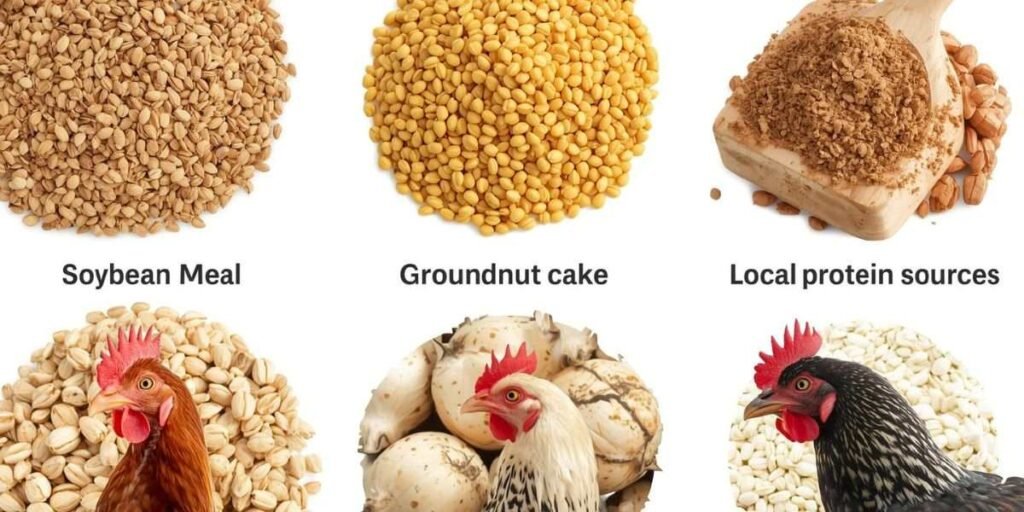
Chickens grow fast when their feed contains enough energy and protein. Energy comes mainly from grains like maize. Protein comes from ingredients like soybean meal, groundnut cake, or fish meal.
When protein is too low, chickens eat but do not grow. Their bodies lack the building blocks needed for muscle growth. When energy is too low, chickens burn protein for survival instead of growth. This wastes feed and money.
Consistent feeding is also important. Skipping feeding times slows growth. Overfeeding causes waste and fat. Balance is the key.
Best Chicken Feed for Fast Growth
The best chicken feed depends on the type of chicken being raised. Broilers, layers, and local chickens all have different needs. Chickens do not grow fast just because they eat a lot. They grow fast when the feed is balanced and easy to digest.
Many chickens grow slowly because they eat the wrong type of feed. Some farmers feed only maize. Others use kitchen waste alone. These feeds fill the stomach, but they do not build muscle. As a result, chickens eat but do not gain weight.
For fast growth, chicken feed must give energy and protein together. Energy helps the chicken stay active and digest food. Protein helps the chicken build meat, feathers, and organs. When one is missing, growth slows down.
Commercial Poultry Feed
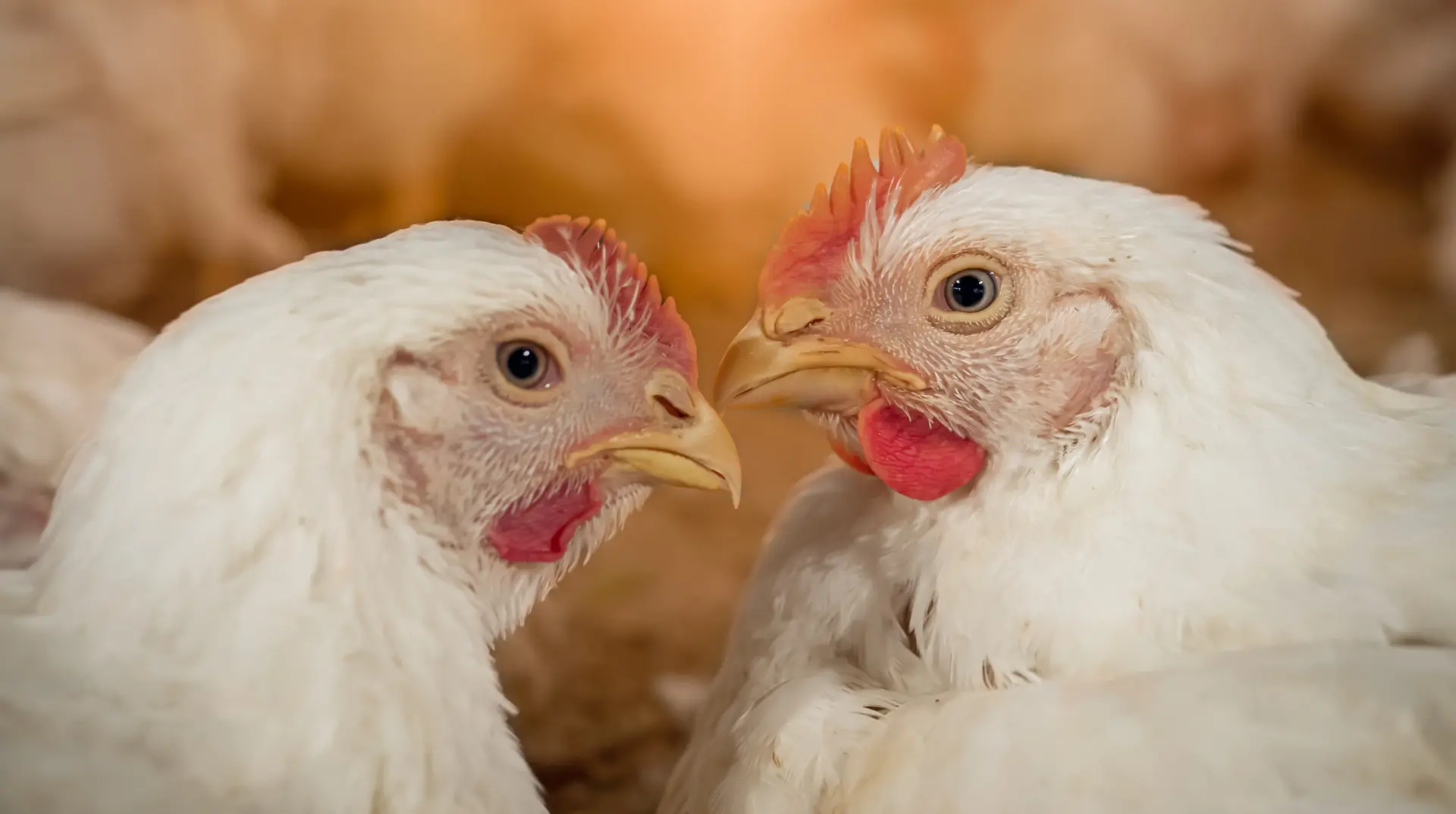
Commercial poultry feed is often the easiest option for fast growth. Broiler starter, grower, and finisher feeds are made for meat chickens. They contain the right balance of nutrients for each stage of growth. When farmers use these feeds correctly, chickens grow evenly and reach market size faster.
Homemade and Mixed Feed
Homemade feed can also work very well if it is mixed properly. Many farmers use maize as the main ingredient. This is good for energy, but maize alone is not enough. It must be mixed with protein sources such as fish meal, soybean, or groundnut cake. When this balance is correct, homemade feed can support good growth at a lower cost.
Role of Local Ingredients
Local ingredients are very useful for fast growth. Fish waste, dried fish, termites, and insects are rich in protein. When added to daily feeding, they help chickens gain weight faster. These ingredients are common and reduce feed costs.
Practical Guidance
Feed quality is more important than feed quantity. Chickens that eat poor feed will eat more but grow less. Chickens that eat good feed will eat less and grow faster. This is why good feed saves money in the long run.
Clean water must always be available. Without enough water, chickens stop eating properly. Even the best feed cannot work if the water is dirty or limited. In hot weather, chickens need even more water to grow well.
For fast growth, feed should always be fresh. Old or moldy feed reduces appetite and causes sickness. Feed should be stored in a dry place and used on time.
In simple terms, the best chicken feed for fast growth is balanced, clean, fresh, and given every day without delay. When these conditions are met, chickens grow faster, stay healthy, and bring better profits.
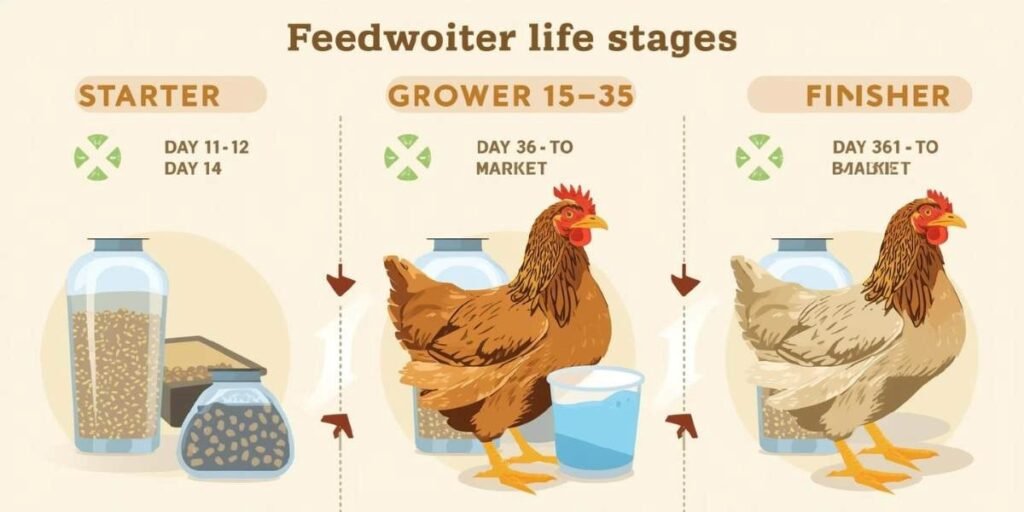
How to Feed Broilers for Fast Growth (Complete Life Cycle)
Broilers are meat chickens raised to reach market weight quickly. How they are fed at each stage of life determines how fast and healthy they grow. In Gabon, where heat and humidity can affect appetite and energy use, feeding correctly is even more important.
Day 1 to 14: Starter Stage
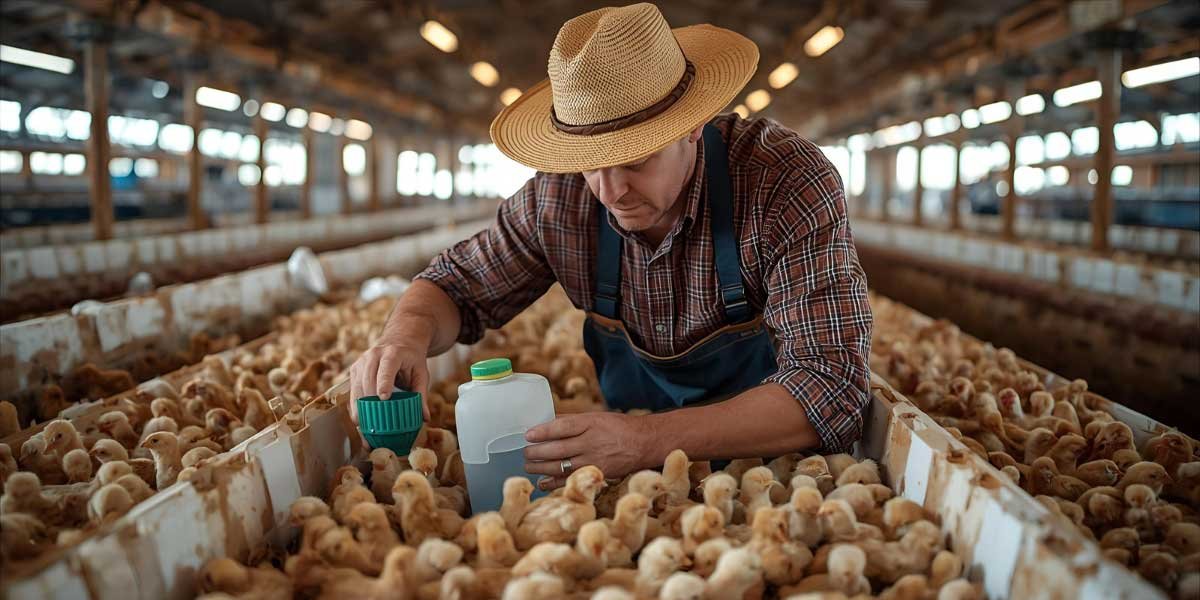
The first two weeks are the most important for broilers. Young chicks need feed that supports organ development, strong bones, and early muscle growth. Starter feed should be high in protein to help build body tissue and feathers.
Chicks cannot eat large amounts at once, so they should have small portions several times a day. Water must always be clean and available. In hot weather, warm water helps digestion, while cold water can reduce feed intake.
At this stage, feed must also include vitamins and minerals to strengthen immunity. Healthy chicks grow faster and are less likely to die from stress or disease.
Day 15 to 35: Grower Stage
From the third to the fifth week, broilers grow very quickly. This stage is called the grower phase. Feed should still be high in protein, but energy becomes even more important to convert protein into muscle.
During this stage, chickens are more sensitive to stress. Overcrowding, heat, and sudden feed changes can slow growth. Broilers should have enough space, fresh feed, and cool water at all times.
Many farmers add local protein sources like termites, fish waste, or groundnut cake to improve growth while reducing feed costs. Proper feeding at this stage ensures even growth and stronger birds.
Day 36 to Market: Finisher Stage
The final stage focuses on increasing body weight and meat quality. Finisher feed has slightly less protein but maintains high energy to help chickens gain weight efficiently.
Feed should be given consistently. Skipping meals or sudden changes in feed type can reduce appetite and weight gain. Water must remain clean and available because rapid growth requires more hydration.
At this stage, farmers can also adjust feed to market needs. For example, if the birds are being sold in a week, feed can be slightly increased to maximize weight.
Tips for Farmers
- Feed in small portions multiple times a day during the starter and grower stages.
- Keep water clean and cool to encourage eating.
- Avoid sudden feed changes, which stress the birds.
- Use local protein supplements like insects or fish waste to reduce costs.
- Store feed in dry, clean containers to prevent mold and spoilage.
By following this life cycle feeding plan, broilers will grow faster, stay healthy, and reach market weight efficiently. Proper feeding reduces mortality and increases profit
How to Make Local Chicken Grow Fast
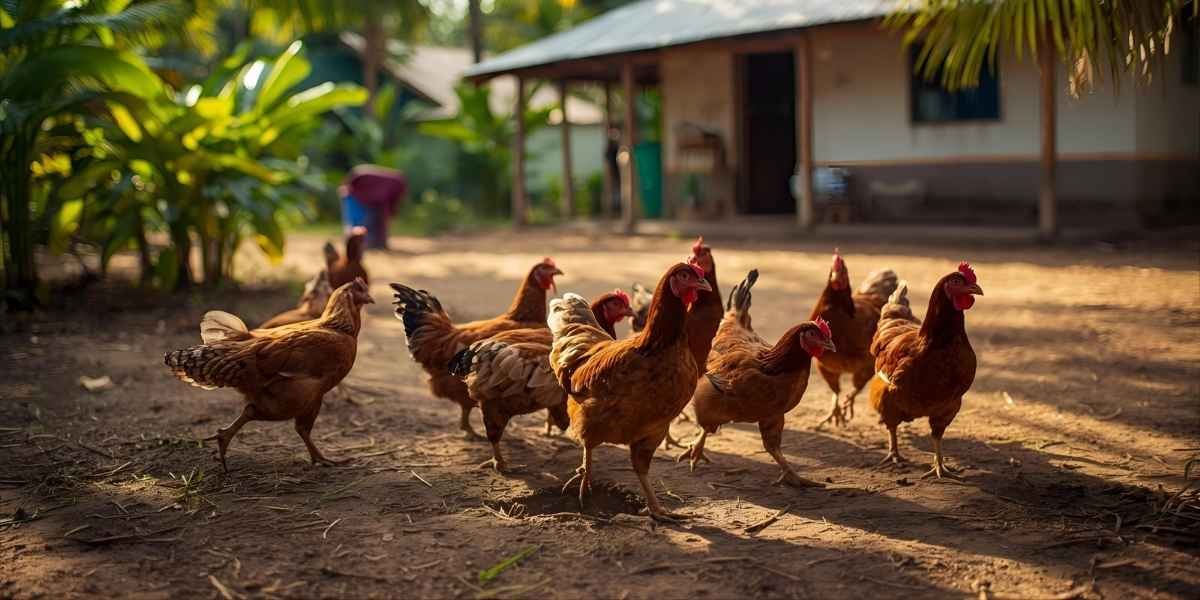
Local chickens are strong and disease-resistant, but they grow slowly. This is because they often eat whatever they find around the house. Their diet lacks balance.
To make local chickens grow faster, feeding must be improved. Semi-confinement works better than full free range. It reduces energy loss and improves feed use.
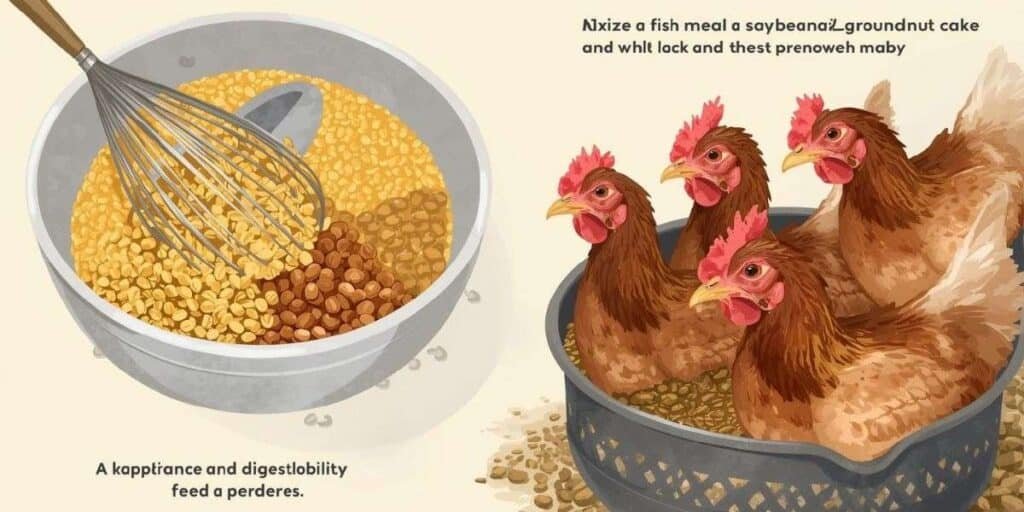
Local chickens need more protein than they usually get. Adding fish waste, termites, insects, cooked beans, or groundnut cake improves growth. Feeding twice daily helps maintain steady growth.
Clean water and shade are also important. Heat stress slows growth even in local breeds.
What to Feed Chickens to Make Them Lay More Eggs
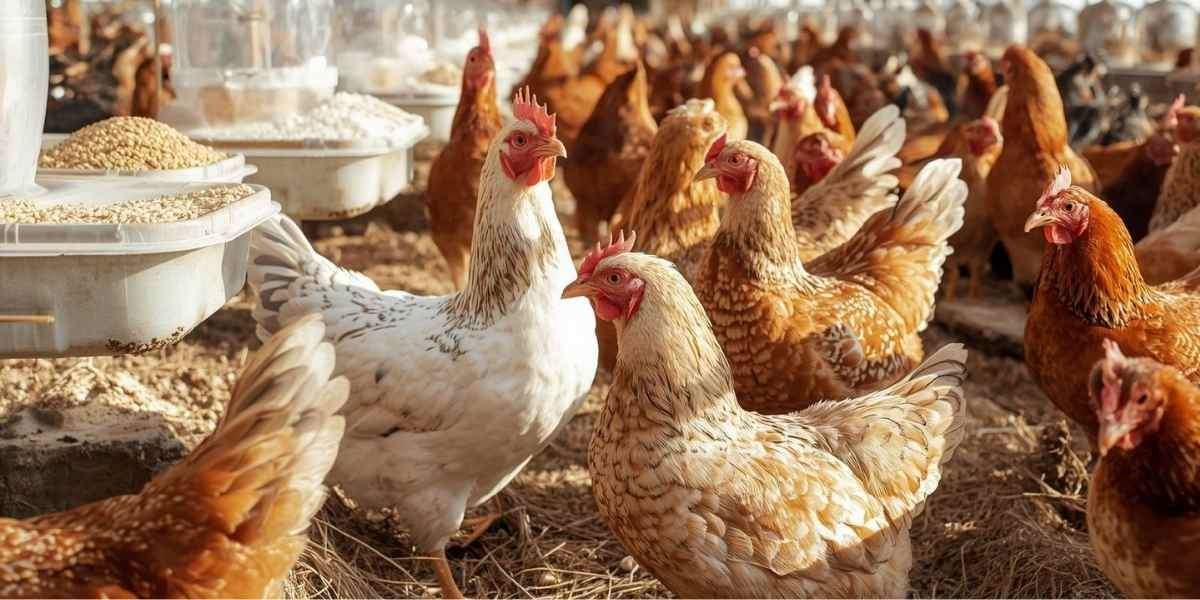
To get your hens to lay more eggs, you have to start with the right fuel. Think of your chickens like little athletes. They need a special “Layer Feed” that has about 16% protein. Since eggs are mostly made of protein, a hen can’t make them if she is only eating corn or bread. If you switch to a high-quality pellet feed, you will usually see more eggs in the nesting boxes within a week or two.
Next, you need to think about the eggshells. Making a hard shell takes a lot of calcium out of a hen’s body. If she doesn’t get enough calcium in her diet, she might start laying eggs with soft shells or just stop laying altogether. The easiest fix is to put out a small bowl of crushed oyster shells. The chickens will eat it only when they need it. This keeps their bones strong and their eggshells nice and thick.
Water is also a huge deal that many people forget. An egg is mostly water, so if a chicken’s water bowl goes dry for even a few hours, she might stop laying for two or three days. You should always make sure they have fresh, clean water that isn’t too hot or frozen. In the summer, they drink a ton, so check their waterer twice a day to keep the eggs coming.
Lastly, try not to give them too many “junk food” treats. It’s fun to give them crackers or kitchen scraps, but too much of that makes them fat. An overweight hen won’t lay eggs very well. If you want to give them a snack, go with leafy greens or a handful of dried bugs. These treats actually help them stay healthy and keep their energy up for laying.
How to Feed Chickens Without Buying Commercial Feed
Some farmers cannot afford commercial feed all the time. Feeding chickens without buying feed is possible, but it requires effort and planning. Free-range feeding works best for local chickens. They can find insects, seeds, and greens. However, this should be supported with supplements to avoid nutrient deficiency.
Farm waste, garden leftovers, and kitchen scraps can reduce feed costs. But balance is still important. Chickens cannot grow fast on scraps alone. Broilers require more controlled feeding. Free feeding methods are not ideal for fast broiler growth.
How Feed Quality Affects Mortality and Disease
You wouldn’t eat moldy bread, and your chickens shouldn’t either. The biggest hidden killer in a coop is feed that has gotten wet or sat around for too long. Even if the feed looks fine to you, old grain can grow invisible mold that releases dangerous poisons. These poisons quietly attack a chicken’s liver and stop their body from absorbing medicine or nutrients. If your chickens are getting sick often or losing weight, check your feed bag first. If it smells musty or sour, it is poisonous and needs to be thrown away immediately to save your flock.
Feeding chickens cheap food or just corn is a lot like a person eating only candy. They might feel full, but their bodies are actually starving because they aren’t getting the right vitamins. High-quality feed is packed with vitamins A and E, which act like a shield against disease. Without these vitamins, a chicken’s immune system gets very weak. This means a simple cold that shouldn’t matter can turn into a deadly infection because the bird’s body just isn’t strong enough to fight it off.
Believe it or not, chickens can get too fat, and it is very dangerous for them. If you feed them too many table scraps or low-quality grains, they build up dangerous amounts of internal fat. This puts huge pressure on their hearts and livers. It is a common reason for “Sudden Death,” where a healthy-looking bird drops dead with no warning. Being overweight also makes it hard for hens to lay eggs. The fat squeezes their insides, causing the egg to get stuck, which can kill a hen in less than a day.
Finally, how you serve the food matters as much as what is in the bag. If you throw food directly on the ground, it mixes with dirt and poop. When chickens peck at the ground to eat, they swallow nasty parasites and bacteria along with their dinner. One common parasite lives in the soil and tears up a chicken’s stomach, causing bloody droppings. Using a clean, raised feeder keeps the food safe and stops your birds from accidentally poisoning themselves with dirt and bacteria from the ground. Learn more
8 Common Feeding Mistakes Farmers Make
Many chicken farmers work hard but still get poor results. In most cases, the problem is not the disease or breed. It is feeding mistakes. These mistakes reduce growth, egg production, and profit.
1. Feeding Only Maize or Grains
One of the biggest mistakes is feeding chickens only maize or other grains. Maize gives energy, but it has very little protein. Chickens eating only maize will look full but remain thin. Broilers will grow slowly, and layers will stop laying eggs. Maize must always be mixed with protein sources to support growth and egg production.
2. Sudden Changes in Feed
Chickens do not handle sudden feed changes well. Switching from one feed to another overnight causes stress. Stressed chickens eat less, digest poorly, and grow slowly. In layers, sudden feed changes often cause egg production to drop. Any feed change should be done gradually over 3 to 5 days by mixing old feed with new feed.
3. Poor Water Quality or No Water
Many farmers focus on feed and forget water. This is a serious mistake. Chickens cannot digest feed without water. Dirty water spreads disease and reduces appetite. Even a few hours without water can stop egg laying for several days. Clean, fresh water must be available at all times, especially in hot weather.
4. Feeding Moldy or Wet Feed
Wet or old feed often grows mold, even if it is not visible. Mold produces toxins that damage the chicken’s liver and weaken the immune system. Chickens eating moldy feed grow slowly, get sick often, and may die suddenly. Feed should always be dry, fresh, and stored properly.
5. Overfeeding Kitchen Scraps
Kitchen scraps are cheap and easy, but too much is dangerous. Scraps are low in protein and unbalanced. Chickens fed too many leftovers become fat but weak. Overweight hens lay fewer eggs and may suffer from egg-binding. Scraps should only be given in small amounts, not as the main feed.
6. Feeding on the Ground
Throwing feed on the ground mixes it with dirt, droppings, and parasites. Chickens then swallow bacteria and worms while eating. This leads to diarrhea, poor growth, and disease. Using raised feeders keeps feed clean and reduces health problems.
7. Inconsistent Feeding Times
Chickens grow best with routine. Feeding at different times each day confuses their digestive system. Irregular feeding reduces feed efficiency and slows growth. Feeding should be done at the same times every day to improve digestion and performance.
8. Ignoring Age and Purpose of Chickens
Many farmers feed all chickens the same feed. This is a mistake. Chicks, broilers, layers, and local chickens all need different nutrition. Feeding layer feed to broilers slows growth. Feeding grower feed to laying hens reduces egg production. Feed must match the chicken’s age and purpose.
Final Thoughts
Knowing what to feed chickens makes a bigger difference than many farmers realize. Good feeding helps chickens grow faster, lay more eggs, and stay healthy. Poor feeding does the opposite, even when birds eat every day.
You do not need expensive feed to get good results. You need balanced nutrition, clean water, fresh feed, and consistent feeding times. Using local ingredients correctly can reduce costs while still supporting growth and egg production.
When feeding is done right, everything improves. Chickens gain weight faster. Egg production becomes more stable. Disease and losses are reduced. Start with proper feeding, and your poultry farming becomes easier and more profitable.
FAQs
What is the best feed for chickens to grow fast?
The best feed for fast growth is a balanced feed with enough protein and energy. Broilers grow fastest on starter, grower, and finisher feed made for meat birds. If using homemade feed, mix maize with protein sources like fish meal, soybean meal, or groundnut cake.
Can chickens grow fast on maize only?
No. Maize alone cannot make chickens grow fast. It gives energy but very little protein. Chickens eating only maize will eat a lot but stay thin. For fast growth, maize must be mixed with protein sources and minerals.
How much protein do chickens need for fast growth?
– Chicks (0–2 weeks): 20–22% protein
– Broilers (grower stage): 18–20% protein
– Local chickens: 16–18% protein
Protein builds muscle, feathers, and body weight. Low protein always means slow growth.
Can kitchen scraps replace chicken feed?
No. Kitchen scraps cannot replace proper feed. They are low in protein and unbalanced. Too many scraps make chickens fat but weak. Scraps should only be a small supplement, not the main diet.
Is moldy feed really dangerous for chickens?
Yes. Moldy feed produces toxins that damage the liver. Chickens may grow slowly, get sick often, or die suddenly. If the feed smells bad or feels damp, throw it away immediately.
How do I know if my chicken feed is good quality?
Good feed smells fresh, is dry, and has no mold. Chickens eat it eagerly and grow well. Bad feed reduces appetite and leads to poor performance.
Should I make sudden changes to chicken feed?
Avoid sudden switches—they stress birds, reduce appetite, slow growth, and drop egg production. Transition gradually over 3-7 days by mixing old and new feed. Stress from changes wastes feed efficiency.