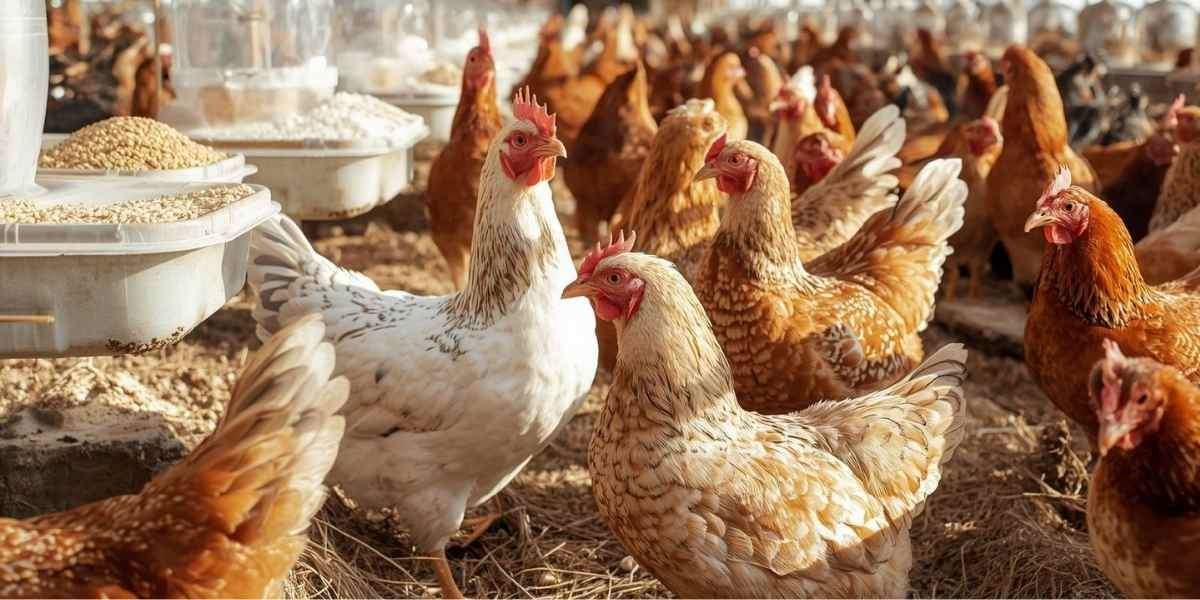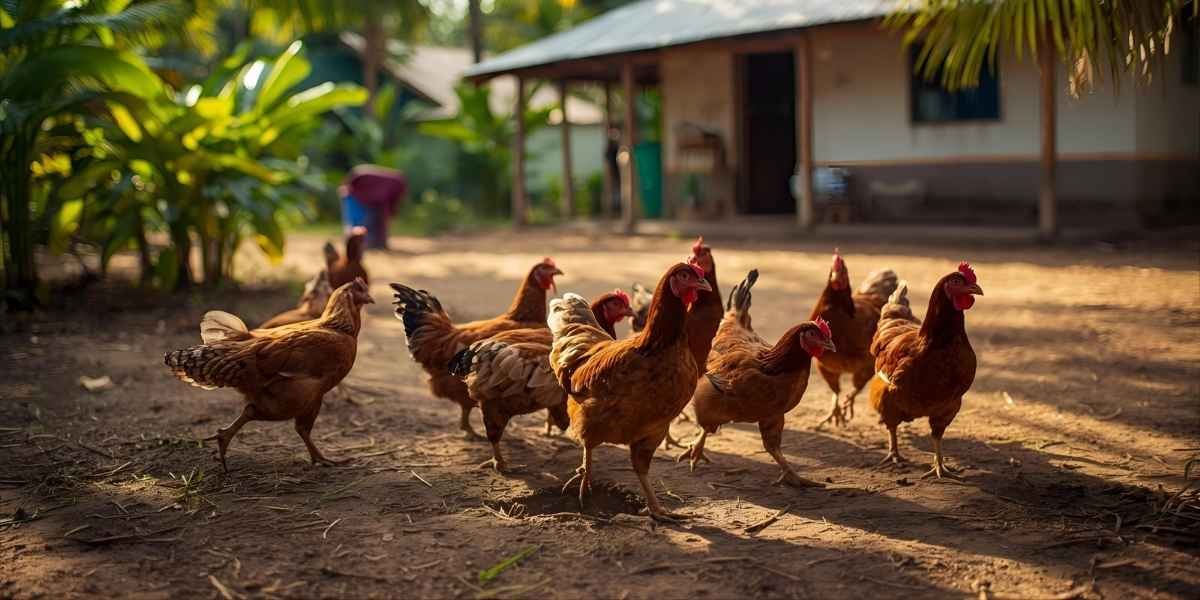
Rearing chickens is becoming common in Gabon, both in rural areas and around homes in towns. Chickens are valuable animals, but they require proper care to remain healthy and productive.
Raising chickens requires proper housing, clean water, age-appropriate feed, protection from predators, and daily observation. Beginners should start with 3–6 chickens, choose hardy breeds, and prepare all equipment before bringing birds home. With consistent care, chickens can provide fresh eggs, meat, and extra income.
In this blog, we explain everything clearly and simply. If you are a beginner, you will learn how to prepare, what equipment you need, how to feed and house chickens, and what problems to expect. The goal is to help you raise chickens the right way from the start.
Is Raising Chickens Right for You?
Before starting, it’s important to understand that raising chickens requires daily responsibility. Chickens need food, water, and protection every single day, including weekends and holidays. They are living animals, not passive pets.
If you enjoy routine work, outdoor activity, and learning through observation, chicken raising can be very rewarding. If you travel often or dislike cleaning and maintenance, chickens may feel like a burden instead of a benefit. Understanding this early prevents frustration and unnecessary losses.
Chicken Raising Equipment & Preparation
The biggest mistake beginners make is buying the chicks before the equipment. Don’t do that! You need your setup ready before you bring those babies home.
Here is your basic checklist:
- The Coop: This is their house. In our humid climate, it needs to be safe from predators (like snakes and civets) and very well ventilated.
- Feeder and Waterer: Don’t just use old bowls; chickens will poop in them immediately. Buy proper gravity feeders that hang off the ground.
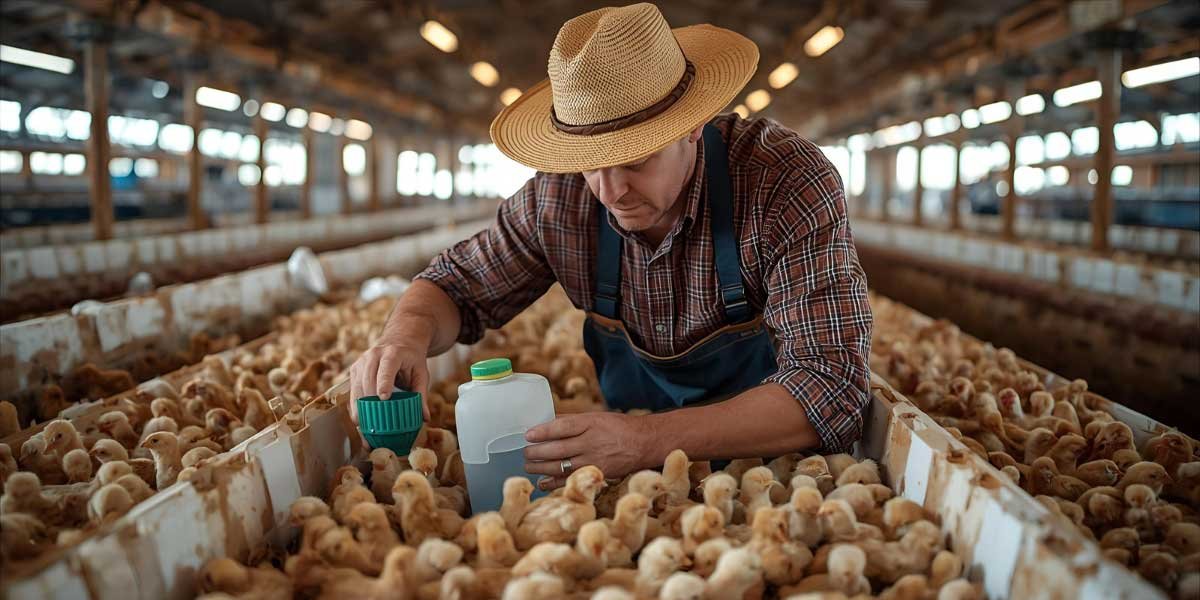
- Brooder: If you are starting with baby chicks, you need a warm, safe box with a heat lamp or heat plate. They can’t keep themselves warm for the first few weeks.
- Bedding: Wood shavings or dry grass work well. Avoid newspapers because they are too slippery for little chick legs.
Best Way to Raise Chickens for Beginners
Raising chickens as a beginner does not have to be difficult. The key is to keep things simple and focus on the basics. Many problems happen when beginners try to do too much at once. A calm setup, good routine, and healthy birds matter more than expensive equipment.
Below are the best ways to raise chickens if you are just starting.
Start With a Small Number of Chickens
If you have never raised livestock before, the best advice is to start small. Don’t buy 50 chickens. Start with a manageable flock of 3 to 6 hens. This number is easy to manage and helps chickens feel safe because they are social animals.
When you start small, you learn faster and make fewer costly mistakes. You can always expand later—there is a funny thing we call “Chicken Math” where 6 chickens quickly turn into 15 because you just “had” to have that new breed!
A small flock also makes it easier to spot problems like sickness, bullying, or poor egg laying early.
Choose Beginner-Friendly Chicken Breeds
Some chicken breeds are easier to raise than others. Beginners should choose calm, hardy breeds that handle heat and humidity well. Dual-purpose breeds are often the best choice because they provide eggs and meat and are less sensitive to changes.
Avoid aggressive or high-maintenance breeds at the beginning. Calm birds are easier to feed, clean, and handle.
Set Up Housing Before Buying Chickens
Never bring chickens home before their housing is ready. The coop should be dry, well-ventilated, and secure from predators. In warm climates, airflow is very important to prevent heat stress and disease.
Each chicken needs enough space to rest and sleep comfortably. Overcrowding causes stress, fighting, and illness. A clean and simple coop is preferable to a large but poorly constructed one.
Predator Protection: Bury fence wire at least 12 inches into the ground. Lock chickens inside at night. Inspect the coop regularly for gaps to prevent snakes, rats, dogs, or birds of prey from entering.
Feed Chickens the Right Way
Good feeding is one of the most important parts of raising chickens.
Chicks, growing birds, and laying hens all need different feed. Always use feed made for their age and purpose. Fresh, clean water must be available at all times, especially in hot weather.
Avoid giving too many kitchen scraps. Excessive leftover food reduces its nutritional value and can attract pests.
Build a Daily Care Routine
Chickens do best with routine. Feed and check them at the same time every day. This keeps birds calm and helps you notice changes quickly.
Daily care should include checking food, water, and the general condition of the flock. Healthy chickens are active, alert, and curious. Any sudden change is a sign to pay attention.
Keep the Coop Clean and Dry
Cleanliness prevents many common chicken problems. Wet bedding causes bad smells, insects, and disease. Remove dirty bedding regularly and replace it with dry material.
A clean coop also reduces flies and parasites, which are common issues for beginners.
Learn by Watching Your Chickens
Observation is a beginner’s best tool. Spend time watching your chickens eat, walk, and interact. This helps you understand what is normal.
When you know normal behavior, you will notice problems early. Early action often prevents serious illness or loss.
Be Patient and Learn Slowly
Chickens take time to grow and produce eggs. Do not rush results. Mistakes will happen, and that is part of learning.
Start simple, improve step by step, and focus on chicken health first. When chickens are healthy, everything else becomes easier.
Raising Chickens in Your Backyard
Backyard chicken keeping is practical, but it needs planning.
Chickens need space to move, scratch the ground, and dust bathe. Even in small yards, a secure run allows chickens to stay active while staying protected.
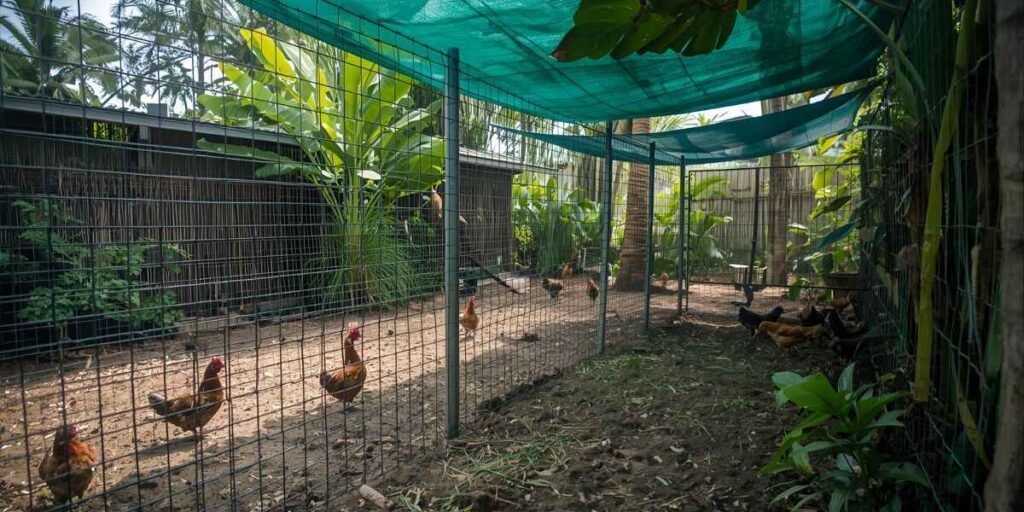
When they aren’t sleeping in the coop, chickens need a “run”—a fenced outdoor area. In your backyard, this run needs to be secure. Stray dogs and wild cats are real threats. Bury your fence wire at least 12 inches into the ground so predators can’t dig under it.
Also, provide shade! Our sun is intense. If your yard doesn’t have big trees, put a tarp over part of the run so your chickens can escape the heat.
You should also think about your neighbors. Some towns and neighborhoods have rules about keeping chickens, especially roosters. Noise, smell, and flock size may be regulated. Always check local municipality or community guidelines before building a coop or buying chickens.
How to Raise Chickens for Eggs
Raising chickens for eggs is one of the most common reasons people start keeping chickens. When done right, hens can provide a steady supply of fresh eggs for many years. Egg production depends on breed choice, proper feeding, housing, and low stress.
Choose Good Egg-Laying Breeds
Not all chickens lay eggs at the same rate. Some breeds are known for steady egg production, even in warm and humid climates. Hardy laying breeds are easier to manage and stay productive longer.
If eggs are your main goal, avoid ornamental breeds. Focus on chickens bred for egg laying or dual-purpose use. Healthy birds lay more eggs than stressed or weak ones.
Start With Healthy Pullets or Chicks
Pullets are young hens that have not started laying yet. They cost more than chicks but begin laying sooner and need less early care. Chicks are cheaper but require heat, special feed, and close attention for the first weeks.
For beginners who want eggs faster and with less risk, pullets are often the better choice.
Feed Hens for Egg Production
Egg-laying hens need the right nutrition to produce strong eggs regularly. Layer feed contains the right balance of protein, vitamins, and calcium. Without enough calcium, eggshells become thin or break easily.
Clean, fresh water is just as important as feed. Hens will not lay well if they are dehydrated, especially in hot weather.
Avoid overfeeding scraps. Too many leftovers reduce egg production and can cause health issues.
Provide Proper Housing & Nesting Boxes
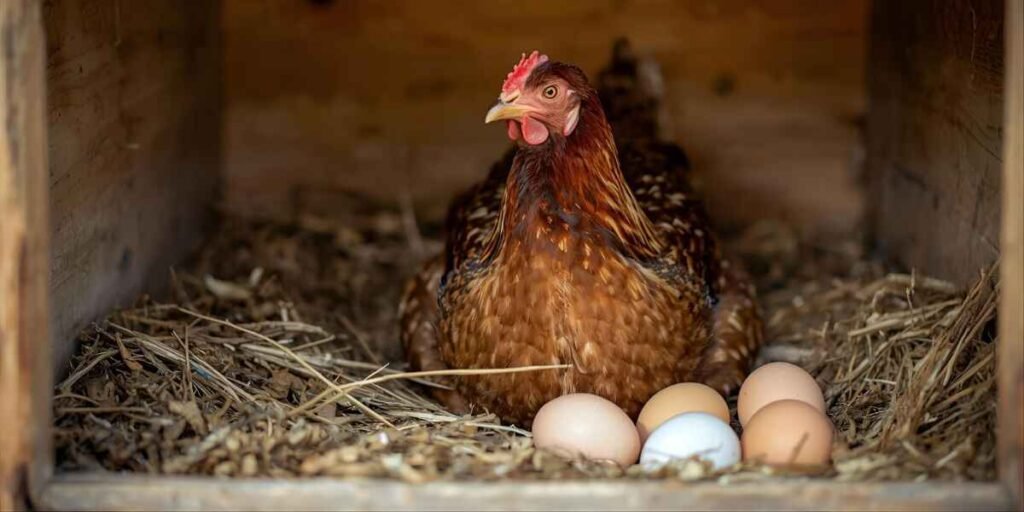
A comfortable coop supports steady egg laying. Hens need quiet nesting boxes to lay eggs. Each box should be clean, dry, and filled with soft bedding.
The coop must have good airflow to reduce heat and moisture. Overcrowding causes stress, which lowers egg production. Calm, comfortable hens lay more eggs.
Manage Light and Stress Levels
Daylight plays a big role in egg production. Hens lay more eggs when days are longer. During shorter days, egg production naturally slows.
Stress also affects laying. Loud noise, predators, rough handling, or frequent changes can cause hens to stop laying. Keeping a calm and stable environment helps maintain steady egg output.
Collect and Store Eggs Properly
Eggs should be collected daily. This keeps them clean and prevents breakage or egg eating. Fresh eggs stay better when handled gently.
Store eggs in a cool place. Only wash eggs if they are very dirty, and use clean water. Proper storage keeps eggs fresh longer and reduces waste.
Keep Hens Healthy
Healthy hens lay better eggs. Watch for signs of illness such as low appetite, weakness, or changes in behavior. Regular coop cleaning and parasite checks help prevent problems.
As hens age, egg production slows. This is normal. Older hens still lay eggs, just less often.
Be Patient and Consistent
Egg production does not start overnight. Most hens begin laying between four and six months of age. Weather, diet, and stress all affect timing.
Stay consistent with feeding, watering, and care. When hens feel safe and well-fed, they reward you with steady egg production.
Raising Chickens for Meat
Raising chickens for meat requires a different approach. Meat chickens grow fast and eat more feed. They need clean housing and regular feeding to grow properly. Poor hygiene can cause disease and slow growth.
High-protein feed supports muscle development. Fresh water is critical, especially in hot weather. Meat birds should be monitored closely for movement and breathing problems. Before starting, beginners should understand processing options. Planning this early avoids stress later.
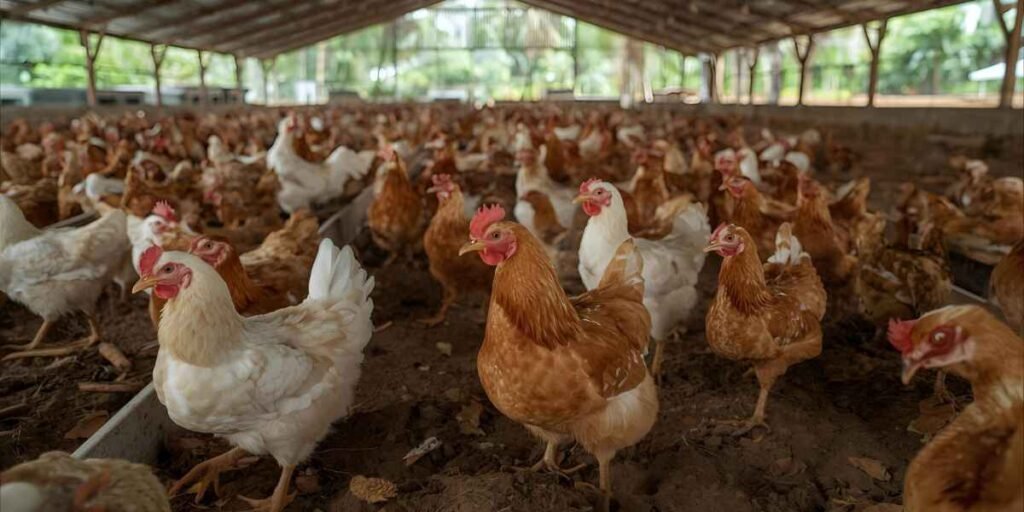
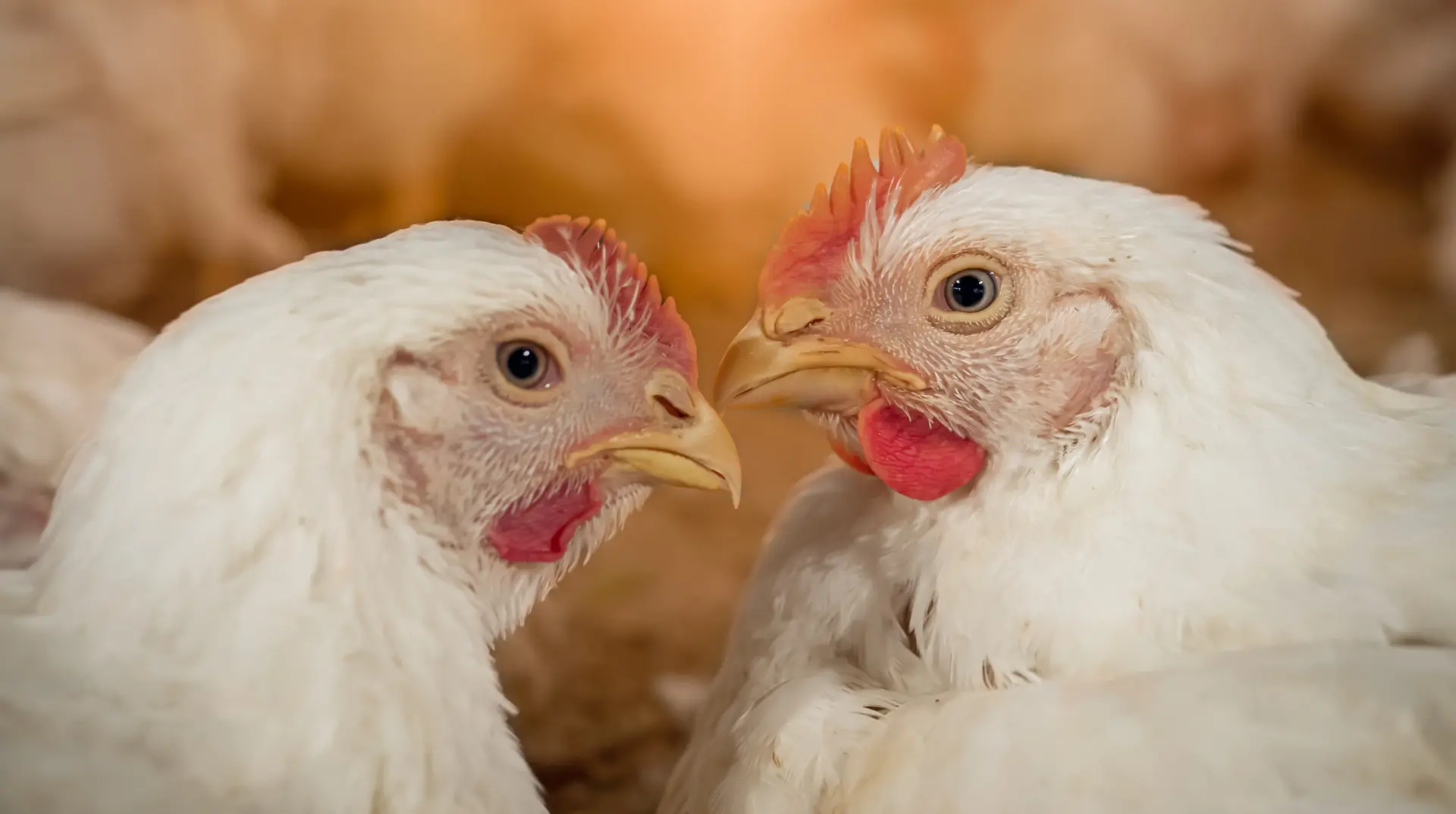
Extra tips: Raising birds for meat (broilers) is different from raising layers. Broilers, like the Cobb 500 or Ross breeds, are built to grow very fast. They can be ready to harvest in just 6 to 8 weeks!
How to Take Care of Raising Chickens as a Beginner
Daily care is actually pretty simple once you have a routine.
- Morning: Let them out, fill the water, top up the food, and do a quick “health check.” Do they look happy? Are they active?
- Afternoon: Check for eggs. Maybe toss them some treats like watermelon or leafy greens to help them cool down.
- Evening: Lock them up! Never leave the coop door open at night. Everything tastes like chicken to a predator.
Chickens clean themselves by taking dust baths. Rolling in dry soil or sand helps control mites and parasites naturally. Provide a dry area with sand, ash, or loose soil so chickens can dust bathe regularly. This improves feather health and reduces external parasites.
Keep an eye out for Newcastle disease, which is common in our region. It causes breathing problems and twisted necks. The best defense is vaccination—talk to a local vet or experienced farmer about the schedule. Also, watch for “Coccidiosis” during the rainy season; it causes bloody poop and sleepiness.
How to Take Care of Chickens in the Winter
Winter care depends on your region. In cooler areas, chickens need a dry and draft-free coop. Moisture is more harmful than cold. Good ventilation removes damp air while keeping birds protected.
Extra bedding helps with insulation. Chickens may eat more in cooler weather, so feed levels should be checked often. Water must remain available and clean.
Egg production often slows in winter. This is natural and should not be forced.
Biosecurity: How to Prevent Disease in Chickens
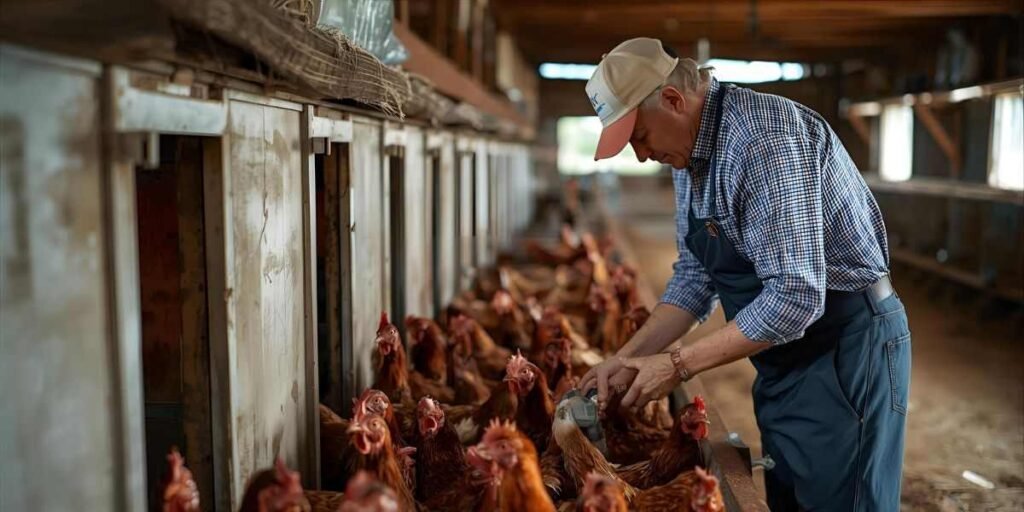
Biosecurity means stopping disease before it enters your flock. Many beginner losses happen due to poor hygiene, not bad luck. Try to limit visitors around your chickens. Always wash your hands before and after handling birds, feed, or equipment. Small habits like this make a big difference.
When you bring in new chickens, do not mix them with your flock right away. Keep them separate for about 14 days and watch for signs of sickness such as low energy, diarrhea, or breathing problems. These simple hygiene steps help protect your flock, reduce losses, and keep your chickens healthy long-term.
Disadvantages of keeping chickens
It’s not all sunny mornings and omelets. You should know the downsides:
- The Poop: Chickens poop everywhere. You need to clean the coop regularly, or it will smell bad and attract flies.
- The Noise: Even without a rooster, hens can be noisy when they lay an egg (the “Egg Song”).
- Heartbreak: Unfortunately, chickens can get sick or be taken by predators. It’s a sad part of the hobby that every keeper faces eventually.
- Vacation: You can’t just leave for a week. You need a chicken-sitter to check on them daily.
Cost of Raising Chickens
The cost of raising chickens depends on setup size and feed prices. Initial costs include buying chickens, building a coop, and buying equipment. Ongoing costs include feed, bedding, and occasional treatments.
While chickens reduce food expenses over time, they should not be seen as quick profit animals. The real value is fresh food and self-reliance.
Final Thoughts
Rearing chickens is rewarding when done correctly. It requires patience, planning, and daily care. When chickens have proper housing, clean water, and good food, they stay healthy and productive.
Ultimately, growing chickens is not just practical; it’s also rewarding. The effort you put in today pays off in fresher food, savings, and a deeper connection with nature and your backyard ecosystem. Start small, keep them dry, and enjoy your new adventure as a poultry farmer!
Frequently Asked Questions
Is raising chickens profitable for beginners?
Yes, raising chickens can be profitable over time, especially for eggs. Beginners should start small and focus on reducing feed waste and keeping chickens healthy.
Are backyard chickens legal in your city?
How many chickens should a beginner start with?
Beginners should start with 3 to 6 chickens. This number is easy to manage, helps you learn faster, and reduces losses from mistakes or disease.
How long does it take for chickens to start laying eggs?
Most hens start laying eggs between 4 to 6 months of age. Good feed, clean water, and low stress help them start laying on time.
What is the best chicken breed for beginners?
Calm, hardy, and dual-purpose breeds are best for beginners. These breeds handle heat better and provide both eggs and meat with less care.
What do chickens eat every day?
Chickens eat commercial feed based on their age, plus clean water at all times. Small amounts of vegetables or kitchen scraps are fine, but feed should be their main food source.
Do chickens need vaccines?
Yes, vaccination is important, especially against common diseases like Newcastle disease. A local vet or poultry expert can provide the right schedule.
Why did my chickens stop laying eggs?
Common reasons include stress, poor nutrition, illness, heat, or shorter daylight hours.
Is backyard chicken farming legal?
Rules depend on local regulations. Many areas allow backyard chickens, but may restrict roosters due to noise. Always check local guidelines.
How many eggs will 4 chickens lay in a week?
On average, 4 healthy laying hens produce about 16 to 24 eggs per week. Most good egg-laying hens lay 5 to 7 eggs per week, depending on breed, age, feed quality, weather, and stress levels. Poor nutrition, heat stress, or illness can reduce this number.
How long do chickens live?
Most chickens live 5 to 10 years, depending on breed, care, and environment. Egg production is highest in the first 2–3 years.