Day-old chick mortality is one of the biggest challenges for poultry farmers in Gabon. Many farmers face the same problem each year. They buy young chicks with big hopes, but some chicks become weak, stop eating or drinking, and die before they grow. This causes emotional stress and financial loss, especially for new farmers.
The good news is that most chick deaths can be prevented. Healthy chicks grow well when they receive the right care from day one. They need a warm place, clean water, safe feed, and careful handling. Good management during the first week can decide the future of the entire flock.
Improved & Localized for Gabonese Poultry Farmers
Why Do Day-Old Chicks Die in Gabon?
In Gabon’s equatorial climate, three main factors cause most early chick deaths.
Cold or Heat Stress
Gabon is hot and humid, but chicks are extremely sensitive to temperature changes—especially during rainy seasons when humidity rises.
Chicks cannot control their body temperature yet.
Wrong heat = weak chicks → low appetite → death.
Common situations in Gabon that cause stress:
- Power cuts affecting electric brooders
- Charcoal brooders producing too little or too much heat
- Gas brooders not adjusted properly
- Cold nights during the heavy rains (Sept–May)
Dehydration
Transport routes like Libreville → Ntoum or Port-Gentil → Lambaréné can be long.
If chicks don’t drink clean water immediately after arrival, dehydration becomes deadly very fast.
Poor Hygiene and Infections
Gabon’s humidity creates ideal conditions for bacteria, parasites, and viruses.
Wet litter grows:
- Coccidiosis
- E. coli
- Fungal spores
Lack of proper disinfection or unclean drinkers spreads diseases fast.
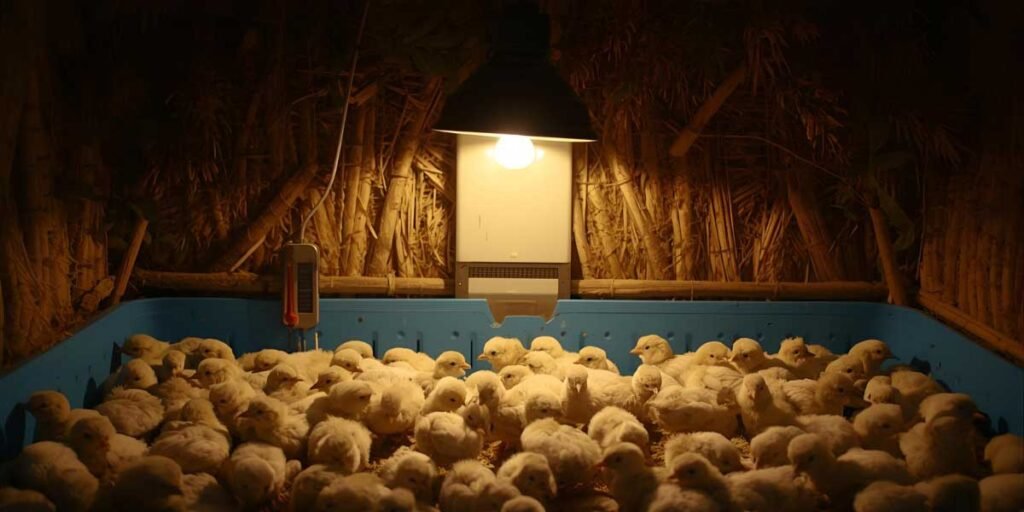
What are the main diseases that kill chicks in Central Africa?
The three most common diseases are Coccidiosis, Gumboro Disease, and Newcastle Disease.
In Central Africa, especially in hot and humid climates, some poultry diseases spread very fast and can cause high day-old chick mortality. When you know the main threats, you can protect your flock and improve chick health from the start.
Coccidiosis is a parasite that attacks the chick’s gut. It grows quickly in wet, dirty litter. One of the main signs is bloody diarrhea. Keeping bedding dry and clean is the best way to prevent this disease.
Gumboro and Newcastle Disease are viral infections. They spread easily, weaken the chick’s immune system, and can cause sudden deaths. This is why chick vaccination is not optional, it is essential for survival.
When you buy chicks from a trusted supplier like GIA, they come pre-vaccinated at the hatchery, protecting them from the most dangerous early-stage diseases. This gives your chicks a strong, healthy start.
GIA also guides farmers on biosecurity, which is one of the best ways to reduce poultry mortality.
What is the perfect temperature for day-old chicks in Gabon?
Correct brooding temperature is the biggest factor in keeping day-old chicks alive during the first week. In Gabon’s humid climate, heat must be managed carefully to prevent chilling or overheating.
During Days 1 to 7, the ideal air temperature stays between 32°C and 35°C. This level of warmth is necessary because young chicks cannot control their own body heat.
A thermometer helps, but chick behavior gives clearer signals:
• When the whole group gathers tightly under the heat source, the chicks are cold and need more warmth.
• Panting, spreading out, or moving toward the walls shows they are too hot and need better ventilation or a raised heat source.
• Calm movement, steady eating, and normal drinking mean the temperature is just right.
Temperature can be lowered slowly after the first week by about 3°C to 4°C each week, until the chicks are fully feathered and ready for normal room conditions. Fresh air matters too, especially in Gabon, where humidity is high. Good ventilation keeps the environment safe and reduces early chick mortality.
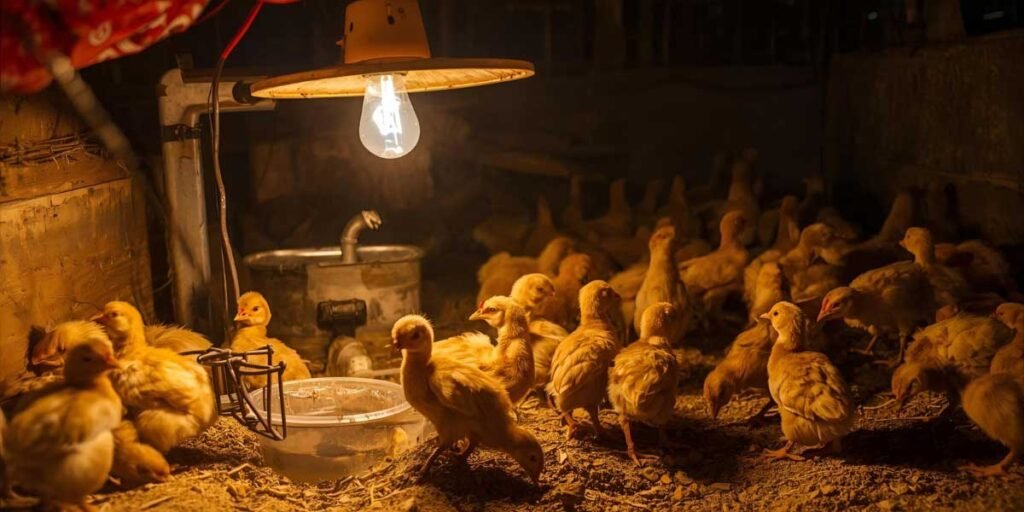
How Can I Keep My Day-Old Chicks Healthy?
Healthy chicks show bright eyes, move around, and quickly look for food and water. This means their chick health is good. To start strong, place day‑old chicks in a warm, clean brooding area that’s ready before they arrive.
Young chicks need steady warmth because they cannot control their body temperature. They must always get clean water — clean water for chicks is essential because dehydration can kill fast. A good, balanced chick feed helps them build strong bones and muscles. Checking chicks often helps catch any weak or sick ones early.
The first week of brooding is the most important. If chicks survive that week, their chance of becoming healthy, strong birds improves a lot. Good brooding management and proper care during this time help reduce poultry mortality and boost long-term success.
What Should I Feed My Day-Old Chicks?
Use a high-quality starter feed with:
- Adequate protein
- Essential vitamins
- Balanced minerals
In Gabon, some feeds are imported and may stay long in storage. Buying from trusted suppliers helps avoid moldy or expired feed.
Keep feeders low and easy to access.
Why Is Clean Water So Important?
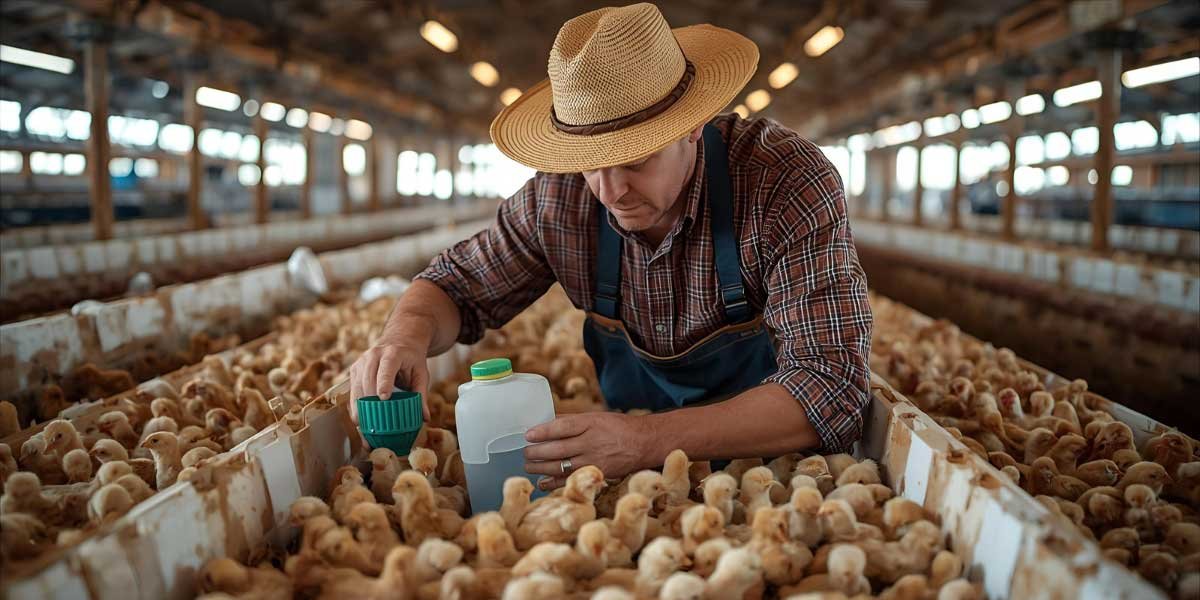
Many farmers don’t realize how fast a day-old chick can die from dehydration. A chick’s body is mostly water, and even a few hours without drinking can be deadly. That’s why clean water for chicks is just as important as feed.
Dirty water spreads poultry diseases. Water with droppings, feed bits, or dust becomes a home for bacteria. Young chicks have weak immune systems and cannot fight these germs. Farmers should clean drinkers every day and refill them with fresh, cool water. Water should never be stored in the sun for long.
Adding vitamins or glucose to chick water during the first days can help them gain energy and reduce stress after transport. This can be helpful, but it should be done carefully and only for a few days.
How Can I Prevent Diseases in My Day-Old Chicks?
Many chick deaths are caused by preventable diseases. Some infections spread through dirty litter, contaminated water, or sick birds. Others come from poor ventilation or overcrowding. Protecting chicks from disease requires a clean environment.
Good ventilation is important because it removes harmful gases and keeps the air fresh. However, strong wind or drafts can make chicks cold, so the airflow should be gentle. The brooding area should stay dry at all times. Wet litter encourages bacteria, mold, and parasites.
Vaccination is also important. Some hatcheries vaccinate chicks before selling them. Farmers should confirm this. If not, they must follow the recommended vaccination plan for Gabon. Early protection helps chicks develop strong immunity.
Farmers should also wash their hands before entering the brooding area and avoid bringing in outside birds. This reduces the risk of spreading germs.
Why Is Stress a Major Cause of Chick Mortality?
Chicks become stressed very easily. Stress weakens the body and makes chicks more likely to get sick. Transport, loud noises, overcrowding, sudden temperature changes, or rough handling can all cause stress.
Farmers should handle chicks gently. The brooding area should stay calm and quiet. When chicks feel safe, they eat and drink more and grow faster. Reducing stress is one of the simplest ways to reduce chick mortality in Gabon because it strengthens the chick’s natural defenses.
How Does the Brooding Environment Affect Chick Survival?
A good brooding environment is clean, warm, safe, and comfortable. The floor should be covered with dry litter that absorbs moisture. The walls and ceiling should protect chicks from rain, wind, and predators. The area should be large enough to give each chick enough space to move freely.
Crowded chicks spread diseases more quickly. They also fight for food and water, which causes injuries. Giving enough space for each chick helps them grow better.
The brooding environment should be prepared at least one day before the chicks arrive. Checking the temperature, feeder placement, water availability, and cleanliness ahead of time helps farmers avoid early mistakes.
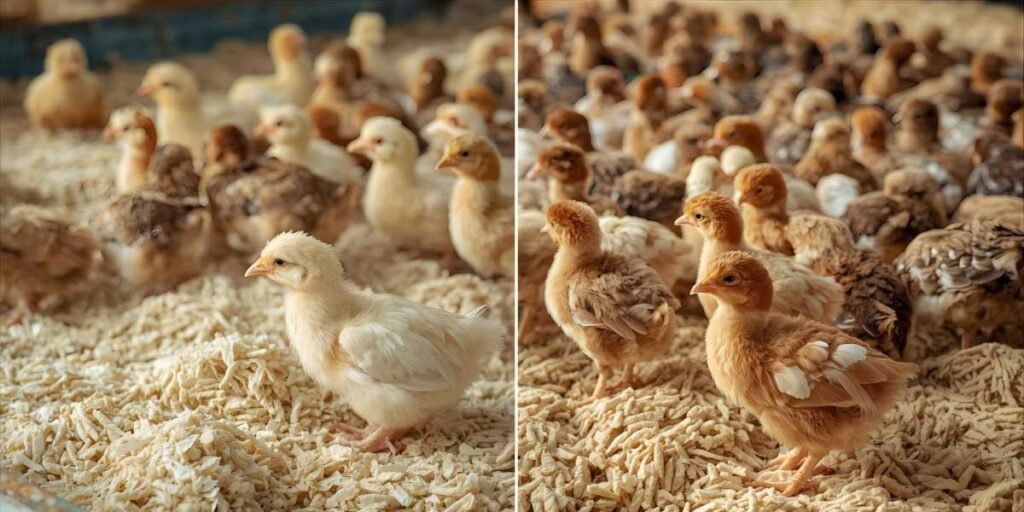
How to Reduce Chick Mortality in the First Week (Practical Steps)
Daily checklist for Gabonese farmers:
- Check heat (morning + evening)
- Refill clean water
- Ensure starter feed is accessible
- Remove wet litter
- Separate weak or sick chicks
- Observe behavior
- Clean drinkers
Following this routine reduces mortality dramatically.
GIA’s Commitment to First Week Survival in Gabon
At GIA, we understand the specific challenges you face running a farm in Gabon. We know the local feed costs, the climate’s humidity, and the lack of reliable local support. Our mission is to solve these problems so you can focus on building your business.
We support you by addressing the three main reasons for chick death rate before they even become a problem:
- Quality Input: We only provide strong, certified, vaccination-protected chicks selected to thrive in the local climate. This immediately sets your farm up for a lower mortality rate than chicks from less reliable sources.
- Expert Advice: Our team provides technical support on management and brooding temperature control. If you have questions about your first week survival plan, our experts are just a call away.
- Reliable Feed: We provide high-quality starter feed that gives your chicks the balanced nutrition they need to grow fast and build a strong immune system to fight off diseases common in Central Africa.
To truly reduce day-old chick mortality in Gabon, you need knowledge, dedication, and a reliable partner.
Final Thoughts
Reducing day-old chick mortality in Gabon is possible for all types of farmers. Chicks need warmth, clean water, good feed, and a clean environment. They also need gentle handling and protection from stress and disease. When farmers follow these basic steps, chick deaths drop sharply and the flock becomes healthier and more profitable.
Strong early care creates strong adult chickens. Healthy birds grow faster, eat better, and produce more meat or eggs. This helps farmers earn more money and build a stable poultry business. With patience, planning, and the right support, chick mortality in Gabon can be greatly reduced.
FAQs
What is the main cause of day-old chick mortality in Gabon?
The main causes include poor nutrition, improper temperature, weak immunity, and disease exposure. Ensuring healthy chicks, proper brooding, and clean conditions reduces mortality.
How can I improve chick survival rates in my Gabonese farm?
Provide quality feeds, maintain a clean brooder, ensure proper temperature and humidity, vaccinate chicks, and monitor them daily. These steps help improve day-old chick survival.
What are the best feeds for day-old chicks in Gabon?
Starter feeds with balanced protein, vitamins, and minerals are ideal. Use feeds designed for broiler chicks or layers depending on your farm type to support healthy growth.
How important is temperature for day-old chicks?
Temperature is critical. Day-old chicks need warmth to survive. Keep brooding temperature around 32–35°C in the first week and reduce gradually as they grow.
How do I prevent infections in my chicks?
Maintain clean housing, use disinfected feeders and waterers, avoid overcrowding, and separate sick chicks immediately. Hygiene is key to preventing infections.
Where can I buy healthy day-old chicks in Gabon?
Reliable suppliers like GIA provide vaccinated and strong day-old chicks ready for brooding and growth. Buying from trusted sources ensures higher survival rates.
How long does it take for chicks to adapt to a new farm?
Chicks usually adapt within 3–5 days. During this period, provide warmth, proper feed, and water while minimizing stress for better survival.
What is the average mortality rate of day-old chicks in Gabon?
Mortality rates vary but can be 5–15% without proper care. Using good feed, vaccinations, and correct brooding can reduce this significantly.
Can I reduce chick mortality without professional help?
Yes, following proper feeding, hygiene, brooding, and vaccination schedules can reduce mortality. However, guidance from poultry experts ensures better results.